A Rinjani trekking package with local guide is the simplest and safest way to climb Mount Rinjani, the 3,726-metre volcano that dominates Lombok, Indonesia. One booking covers your park permit, a licensed guide, porters, meals, camping gear and transport, so you can focus on the trail instead of the logistics.
It is also the practical way to go. Park rules prohibit solo climbing, and the park’s operating procedures require trekkers to go through a licensed trekking organizer. Local guides do far more than lead the way: they cook, read the weather, manage the pace and know every ridge of the mountain.
Rinjani Trekking Package with Local Guide
This guide explains what a package includes, why a local guide matters, how 2, 3 and 4-day options compare, what you can expect to pay and how to choose a trustworthy operator.
What a Rinjani Trekking Package Includes
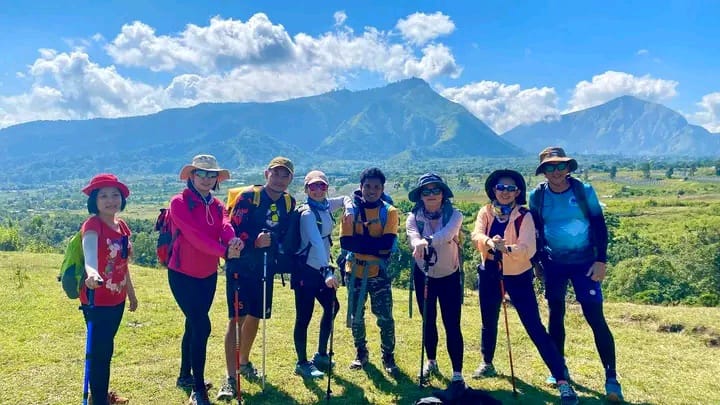
A complete package should list everything in writing. Typical inclusions are:
- Hotel pickup and drop-off between your accommodation in Lombok and the trailhead
- National park entrance fee and trek permit
- A licensed local guide and a team of porters
- A cook, all meals on the trail, drinking water, tea and snacks
- Tents, sleeping mats, cooking equipment and a toilet tent
- Trekking insurance, if the operator includes it (always confirm this)
These items are usually not included:
- Flights and hotel nights before or after the trek
- Tips for your guide and porters
- Sleeping bag, jacket or trekking pole rental on some packages
- Your own travel insurance and personal snacks
Some operators add a hotel night in Senaru or Sembalun before the trek starts. Ask whether that night is part of the price, because it changes how two quotes compare.
Why Trek Rinjani with a Local Guide
- It is the rule. Solo climbing is prohibited and groups must have at least two people. From 1 January 2026, each guide may lead no more than four trekkers.
- Safety on an active volcano. The terrain is steep and loose, and the summit push starts around 2 a.m. Guides watch the weather, your pace and early signs of altitude sickness, and they coordinate with park authorities if a rescue is needed.
- Navigation. Trails braid across scree and open savannah. In darkness or cloud, even strong hikers lose the path.
- Local culture. Many guides and porters come from the villages of Senaru and Sembalun and from Sasak communities. They share stories, food and customs you would never find in a guidebook, and your money stays with local families.
- Protecting the mountain. Good guides enforce Leave No Trace. All waste must come out of the park with you, and a local team that lives beside Rinjani has every reason to keep it clean.
Rinjani Trekking Package Options: 2, 3 and 4 Days
| Package | Route | Summit | Highlights | Best for |
| 2 days, 1 night | Sembalun up and down | Yes | Savannah climb, camp on the crater rim, sunrise summit | Fit, experienced hikers short on time |
| 2 days, 1 night | Senaru crater rim | No | Rainforest and caldera views | Beginners and families who want a shorter hike |
| 3 days, 2 nights | Senaru to Sembalun | Yes | Rainforest, crater lake, hot springs, sunrise summit | Most trekkers |
| 4 days, 3 nights | Senaru to Sembalun with an extra day, or a Torean finish | Yes | Slower pace, more lake time, waterfalls | First-timers and photographers |
Choose by time and fitness. The two-day Mount Rinjani package via Sembalun is the fastest way to the top, but the climb is relentless. The three-day traverse is the best balance of scenery and effort, and it is the one we recommend to most travelers. If you are worried about altitude or want to enjoy the lake, a four-day package gives you extra recovery time.
Whichever you pick, make sure the summit is actually in your itinerary. Crater rim treks are beautiful but stop short of the 3,726-metre peak.
How Much Does a Rinjani Trekking Package Cost?
Published operator prices for multi-day Rinjani treks in 2026 run from about US$225 to US$395 per person (approximate), depending on the package. Several things move the price:
- Duration: More days mean more food, porter time and camping costs.
- Route: A traverse that ends at a different trailhead needs extra transport.
- Group size: Shared groups cost less per person than private trips, which let you set the dates and pace.
- Season: July to September is peak season, so book early for the best choice of dates.
- Inclusions: Insurance, a hotel night and gear rental can add to the quote.
Be careful with prices far below the range. Licensed guides, one guide per four trekkers, porter wages, insurance and park fees all cost money. A very cheap package usually means one of these has been cut.
A Day on the Trail with Your Guide and Crew
Here is how a classic three-day, two-night Senaru to Sembalun package usually runs. Times come from typical operator itineraries and vary by group and weather.
- Day 1, Senaru to the crater rim: After a morning pickup, you walk through rainforest with your guide while porters carry the tents and food ahead of you. You reach the Senaru crater rim around late afternoon, and the cook serves dinner as the sun sets over the caldera.
- Day 2, lake, hot springs and Sembalun rim: You descend to Segara Anak lake, relax in the hot springs, then climb to the Sembalun crater rim, arriving around dusk for an early night.
- Day 3, summit and descent: Your guide wakes you at about 2 a.m. The summit climb takes roughly three hours, so you stand on the peak for sunrise. After breakfast at camp, you walk down to Sembalun village and a transfer back to your hotel.
Throughout the trek, the guide sets a steady pace, checks on everyone and decides when to rest or turn back. Porters and the cook go ahead so that your tent is up and your meal is hot when you arrive. You carry only a daypack with water, a camera and warm layers.
Rules, Permits, Insurance and Best Season
Your operator arranges the permits, but you should know the rules that shape your package:
- Season: The park is open for trekking from April to December and closes each year from 1 January to 31 March. In 2026 it reopened on 28 March, so confirm the current date before booking.
- Best months: July to September has the clearest skies and the most trekkers. April to June is greener and quieter.
- Group rules: Solo climbing is prohibited, groups must have at least two people, and trekkers under 17 need an adult and written parental consent.
- Insurance: Trekking insurance is mandatory, and premium cover is compulsory from 1 January 2026.
- Health: The 2025 park procedures list a medical certificate issued within one day before the trek, so ask your operator what they need from you.
- Environment: Carry cold-weather gear, reduce single-use plastics and take all waste out of the park.
Treks that run during the closure are illegal. Climbers caught on the mountain in March 2025 were fined and blacklisted.
How to Choose the Right Rinjani Trekking Package
Two packages with the same title can be very different. Compare them on these points:
- Licensing: Is the operator a licensed trekking organizer, and are the guides certified?
- Guide ratio: Does the quote respect one guide per four trekkers?
- Crew welfare: Do porters carry fair loads and have proper clothing and shelter?
- Written inclusions: Are insurance, park fees, meals and gear listed clearly?
- Group size: Small groups keep camps calmer and the pace flexible.
- Weather policy: Park access can close temporarily for weather, trail work or rescues. Ask what happens to your booking if that occurs.
- Reviews and replies: Recent reviews and fast, clear answers to your questions show how the operator behaves.
Avoid anyone offering same-day passes at the trailhead, and never pay the full amount to an operator you cannot verify.
How to Prepare and What to Pack
Rinjani is demanding, and summit day can last around 12 hours. Train for four to six weeks with hill walks, stair climbing and a loaded daypack. At 3,726 metres, headaches and nausea are possible, so walk slowly, drink plenty of water and tell your guide early if you feel unwell.
Pack these essentials:
- Broken-in trekking shoes and gaiters for loose volcanic scree
- Layers: base layer, fleece, insulated jacket and waterproof shell
- Warm hat, gloves and a neck buff for the summit
- Headlamp with spare batteries for the 2 a.m. start
- Trekking poles for the long descent
- Sleeping bag rated to about 0 degrees C (ask if your package rents them)
- Reusable water bottle, sunscreen, sunglasses and a cap
- Personal medication, blister care and a power bank
Also confirm that your travel insurance covers trekking to nearly 4,000 metres.
Rinjani Trekking Package FAQ
How much is a Rinjani trekking package with local guide?
Most multi-day packages cost roughly US$225 to US$395 per person (approximate), depending on duration, route and group size.
Is a guide mandatory on Mount Rinjani?
Yes, in practice. Solo climbing is prohibited, and the park’s procedures require you to trek through a licensed trekking organizer.
Which package is best for first-timers?
The three-day, two-night Senaru to Sembalun traverse balances scenery and effort. Nervous beginners can choose four days for more recovery time.
Are porters included in the package?
Usually yes. Porters carry tents, food and shared equipment, while you carry a daypack with your personal items.
Can I join a group or book a private trek?
Both are common. Shared groups cost less per person, and private treks let you choose your dates and pace.
What happens if the weather is bad?
The park can close temporarily for weather, trail maintenance or rescue operations. Ask for the cancellation and rebooking policy in writing before you pay.
Book Your Rinjani Trekking Package
A Rinjani trekking package with local guide takes the stress out of planning and puts you in the hands of people who know the mountain. Choose your season (April to December), pick the route that fits your fitness and book early for July to September.
Ready to go? Send us your dates and group size at our contact, and we will recommend the right package and guide for you.