
How Difficult Is Mount Rinjani to Climb? A Complete Trekking Guide – Mount Rinjani is one of the most spectacular trekking destinations in Indonesia, attracting adventure travelers from around the world. Located on Lombok Island, West Nusa Tenggara, this impressive volcano offers breathtaking mountain views, dramatic volcanic landscapes, sunrise experiences, and the famous Segara Anak Crater Lake.
However, one important question comes up before almost every trekking adventure: How difficult is Mount Rinjani to climb?
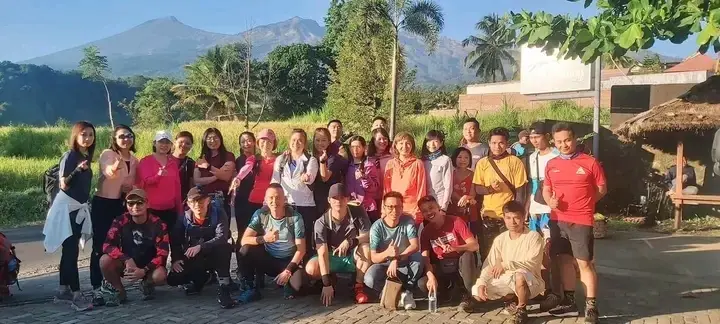
The short answer is that Mount Rinjani is a challenging mountain that requires good physical preparation, mental determination, suitable equipment, and careful planning. The difficulty depends on your chosen route, trekking duration, fitness level, weather conditions, and whether your goal is to reach the summit or explore the crater rim and surrounding landscapes.
How Difficult Is Mount Rinjani to Climb? A Complete Trekking Guide
For first-time mountain hikers, Mount Rinjani can be a rewarding experience, but it should never be underestimated. Understanding the challenges before your trip will help you choose a suitable itinerary and prepare for a safer adventure.
In this guide, Rinjani Trekking Adventure explains the difficulty of climbing Mount Rinjani, the most challenging sections, the fitness required, and how to prepare for your trekking journey in Lombok, Indonesia.
- How Difficult Is Mount Rinjani?
Mount Rinjani is generally considered a challenging to very challenging trekking destination, particularly for hikers attempting the summit.
The mountain reaches approximately 3,726 meters above sea level. Reaching the summit involves substantial elevation gain, steep trails, loose volcanic material, and a demanding early-morning ascent.
Even experienced hikers can find the final summit section exhausting.
Several factors determine the difficulty of a Mount Rinjani trek:
- Elevation gain: Long uphill sections require stamina and leg strength.
- Trail conditions: Loose sand, volcanic gravel, rocks, and uneven ground can make walking difficult.
- Trekking duration: Some itineraries involve many hours of walking each day.
- Altitude: Physical performance can decrease at higher elevations, and altitude illness is possible.
- Weather: Cold temperatures, wind, rain, and poor visibility can affect the experience.
- Backpack weight: Carrying unnecessary equipment increases fatigue.
- Personal fitness: Your cardiovascular endurance, leg strength, and previous hiking experience influence how manageable the trek feels.
Mount Rinjani is not a technical climbing mountain on its standard trekking routes under suitable conditions, but that does not mean it is easy. The physical demands can be considerable, especially for people who rarely exercise or have never hiked for several consecutive hours.
Read: Rinjani Summit Trek 2 Days
The best approach is to select an itinerary that matches your ability rather than choosing the most demanding package simply because it reaches the highest point.
- Why Is Mount Rinjani So Challenging?
Understanding the main physical challenges can help you prepare more effectively.
Steep uphill climbs
Many sections of Mount Rinjani require sustained climbing. Depending on your itinerary, you may walk uphill for several hours while gaining elevation.
This places considerable demands on your leg muscles and cardiovascular system.
Regular stair climbing, hill walking, and strength training can help prepare your body for these conditions.
Loose volcanic sand near the summit
For hikers approaching the summit from the Sembalun side, the final ascent is one of the most demanding sections.
The trail contains loose volcanic sand and gravel. Every step may require additional effort because the ground can shift beneath your feet.
You may take several steps forward and slide backward slightly. Progress can be slow, especially when you are tired or walking in the dark before sunrise.
This section requires patience, balance, and sufficient energy. It is important to follow your guide’s advice and turn back if continuing becomes unsafe.
Long trekking days
Mount Rinjani itineraries can involve extended periods of walking, with different levels of difficulty depending on the route and duration.
A trek may include climbing, descending, camping, and walking again the following day. Fatigue can accumulate throughout the journey.
Beginners should practice walking for progressively longer periods before departure and avoid carrying more equipment than necessary.
Descending can be just as difficult
Many hikers focus on the summit ascent but underestimate the descent.
Walking downhill over steep or loose terrain can place significant stress on your knees, ankles, and leg muscles. Fatigue may also affect your balance and concentration.
Trekking poles can help some hikers maintain balance and reduce the feeling of strain on descents. Proper footwear with reliable grip is also essential.
Cold temperatures and wind
Conditions at high elevations can be significantly colder than at lower elevations in Lombok.
Wind, moisture, and prolonged exposure can make the experience uncomfortable and potentially dangerous without appropriate clothing.
Bring insulating layers, a windproof outer layer, and rain protection. Check the expected conditions with your trekking organizer before departure.
- How Difficult Is the Mount Rinjani Summit Trek?
The summit trek is among the most physically demanding options available on Mount Rinjani.
The summit stands approximately 3,726 meters above sea level, and the final ascent is especially challenging because of the steep terrain and loose volcanic ground.
For many itineraries departing from Sembalun, hikers spend the night at a high campsite before beginning the summit attempt during the early hours of the morning.
The exact schedule depends on the package, campsite, weather, and guide’s assessment.
What makes the summit difficult?
First, the ascent requires sustained physical effort. Your legs must repeatedly push against the steep slope.
Second, the loose ground makes each step less efficient. You may expend more energy than expected while making relatively slow progress.
Third, the early start means you may be climbing while it is still dark and after a demanding day of trekking.
Finally, altitude can affect your breathing, energy, and overall performance. Fitness does not eliminate the possibility of altitude-related illness.
Can beginners reach the summit?
Some beginners with good fitness and adequate preparation may be able to attempt the summit, but reaching it cannot be guaranteed.
If you have little hiking experience, it is wise to build your endurance gradually and discuss your ability honestly with your trekking organizer.
Do not feel pressured to reach the summit. Turning back when conditions or your physical state require it is a responsible decision.
The mountain offers spectacular scenery beyond the highest point, and a successful trekking experience does not have to mean standing on the summit.
- Is Mount Rinjani Too Difficult for Beginners?
Mount Rinjani is not necessarily too difficult for every beginner, but it is not an ideal first outdoor activity for someone who is completely unprepared.
Your experience will depend on your fitness, chosen itinerary, walking pace, and ability to handle changing conditions.
Beginners who may be better prepared
You may be in a stronger position to consider a Rinjani trek if you can:
- Walk comfortably for several hours.
- Climb stairs or hills without becoming excessively exhausted.
- Maintain a steady pace on uneven ground.
- Carry a light backpack for extended periods.
- Recover reasonably well after physical activity.
- Follow instructions and make sensible decisions when tired.
These are general preparation indicators, not a guarantee that you are ready for the summit.
Beginners who should prepare more carefully
You may need additional training or professional advice if you rarely exercise, struggle with extended walking, have persistent joint pain, or are unfamiliar with steep terrain.
People with medical conditions that may affect strenuous exercise or high-altitude activity should consult a qualified healthcare professional before committing to a trek.
Do not rely solely on a short fitness test or the opinions of other hikers when deciding whether the mountain is suitable for you.
- Which Mount Rinjani Route Is the Most Difficult?
Different routes offer different experiences, and difficulty depends on the complete itinerary rather than the route name alone.
Sembalun route
Sembalun is a popular starting point for trekkers aiming to reach the summit.
The route passes through open grassland and exposed terrain before climbing toward higher camps. Sun exposure can be significant, and the summit approach involves steep volcanic sand.
For hikers whose main goal is the summit, this route can be particularly demanding during the final ascent.
Read our dedicated guide to Mount Rinjani Trekking via Sembalun for more information about the terrain and itinerary.
Senaru route
The Senaru route is known for tropical forest scenery and views from the crater rim.
The trail includes sustained uphill and downhill sections, and the descent can be physically demanding. Forest shade may provide some protection from direct sunlight, but it does not eliminate the challenge of the terrain.
A crater-rim itinerary and a summit-focused itinerary should not be treated as equivalent in difficulty.
Learn more in our guide to Mount Rinjani Trekking via Senaru.
Torean route
Torean is known for dramatic valleys, distinctive volcanic landscapes, and a route that differs from the open grasslands of Sembalun.
Depending on the itinerary, hikers may encounter long descents, steep sections, uneven ground, and changing environmental conditions.
It is important to understand the full route before booking, particularly if your itinerary combines different starting and finishing points.
Route access warning: Trail access can change because of weather, conservation measures, volcanic activity, or other safety concerns. Check current official national park announcements before planning your trek. Never enter a route that is temporarily closed.
- Which Trekking Duration Is Most Suitable?
The number of days required depends on your objectives, fitness, and the permitted itinerary available for your travel dates.
2 Days 1 Night Summit Trek
This is a compressed itinerary designed for fit hikers who want to attempt the summit within a limited time.
The schedule generally involves a demanding ascent to a high campsite, followed by an early-morning summit attempt and a descent.
It may suit experienced or well-prepared hikers with limited holiday time, but beginners should carefully consider the physical demands.
A shorter trip does not necessarily mean an easier trip.
3 Days 2 Nights Trek
A three-day itinerary can offer a more extended mountain experience. Depending on the route, it may focus on the summit, crater lake, crater rim, or a combination of highlights.
It is important to confirm what is included rather than assuming every three-day package follows the same route.
For travelers who want more time to experience Mount Rinjani, this format may be worth considering.
4 Days 3 Nights Trek
A four-day itinerary may allow a more gradual pace and additional time to explore selected mountain highlights, depending on the route and access restrictions.
It can appeal to hikers who prefer a longer outdoor experience rather than concentrating everything into a compressed schedule.
However, longer itineraries also involve more time on the trail and may include challenging terrain. They are not automatically easy.
Explore our Mount Rinjani Trekking Packages to compare available itineraries and discuss which option best matches your ability and travel plans.
- How Fit Do You Need to Be to Climb Mount Rinjani?
You do not necessarily need to be an elite athlete to enjoy Mount Rinjani, but you should prepare for sustained physical activity.
A combination of cardiovascular endurance, leg strength, balance, and mental resilience can make the experience more manageable.
Cardiovascular endurance
Brisk walking, cycling, swimming, and jogging can help improve your aerobic fitness.
Start with a level that suits your current ability and gradually increase the duration and intensity.
Leg strength
Exercises such as squats, step-ups, lunges, and calf raises can help prepare your legs for climbing and descending.
Use controlled movements and increase the difficulty gradually.
Hill and stair training
Walking uphill and climbing stairs can help simulate some of the demands of trekking.
If possible, practice on uneven outdoor trails while wearing your hiking shoes.
Practice with your equipment
Take practice walks with the daypack you plan to use during the trek.
Make sure your footwear is comfortable, your clothing is suitable for changing weather, and your equipment is easy to access.
How long should you train?
If possible, allow four to eight weeks or longer for gradual preparation, particularly if you are starting from a low level of fitness.
The appropriate training period varies from person to person. Avoid sudden increases in activity and allow enough recovery between demanding sessions.
For more detailed advice, read our Mount Rinjani Trekking Guide for Beginners.
- What Equipment Makes Mount Rinjani Trekking Easier?
The right equipment will not remove the mountain’s physical challenges, but it can improve comfort, stability, and preparedness.
Essential items include:
- Hiking shoes with reliable grip.
- Comfortable trekking socks.
- Warm insulating clothing.
- A waterproof and windproof jacket.
- A headlamp with sufficient battery life.
- Sun protection, including sunscreen and sunglasses.
- A reusable water bottle or hydration system.
- Snacks for sustained physical activity.
- A small personal first-aid kit.
- Personal medication, if required.
- Trekking poles, if useful for your balance and walking technique.
Keep your daypack as light as practical while ensuring you have the essentials you need.
Ask your trekking organizer which camping equipment, sleeping bags, meals, and other supplies are included in your package.
You can also read our detailed Mount Rinjani Trekking Packing List before your departure.
- How Can You Stay Safe on Mount Rinjani?
Good preparation is important, but safety also depends on making sensible decisions during the trek.
Walk at a sustainable pace. Avoid starting too quickly, especially on the first day.
Stay hydrated and eat regularly. Your water and energy needs depend on the temperature, walking intensity, and individual circumstances.
Follow your guide’s instructions. Stay with your group and respect advice concerning weather, trail conditions, and whether it is safe to continue.
Watch for altitude symptoms. Headache, nausea, dizziness, and unusual fatigue can be warning signs. Do not continue ascending if altitude illness is suspected. Severe symptoms, including difficulty breathing at rest, confusion, or loss of coordination, require urgent assistance and descent.
Be prepared to turn back. Weather, fatigue, or unsafe trail conditions may make continuing inappropriate.
Respect official restrictions. Follow national park regulations, registration requirements, and temporary closures.
Choose a responsible trekking organizer. Ask about guide qualifications, emergency procedures, route planning, and what happens if conditions change.
Safety should always be more important than reaching the summit.
- Is Mount Rinjani Worth the Difficulty?
For many adventure travelers, Mount Rinjani is worth the effort because it offers a remarkable combination of volcanic scenery, high mountain landscapes, crater-rim views, and opportunities to experience Lombok’s natural environment.
The experience can be physically demanding, but careful planning helps you approach the trek with realistic expectations.
Some travelers prioritize the summit sunrise. Others prefer the crater rim, longer itineraries, or the scenery along different trekking routes.
The best experience is not necessarily the one that reaches the highest point. It is the one that matches your ability, respects the mountain environment, and allows you to complete the journey as safely as possible.
If you are considering your first Rinjani trek, take time to compare itineraries, prepare physically, and choose a responsible local trekking service.
Frequently Asked Questions About Mount Rinjani Difficulty
Is Mount Rinjani harder than Mount Batur?
Mount Rinjani is generally a more demanding undertaking than the typical Mount Batur sunrise hike because of its higher elevation, longer itineraries, and more extensive trekking terrain. The exact comparison depends on the routes and activities being considered.
How many hours does it take to climb Mount Rinjani?
Walking times vary considerably according to the itinerary, weather, fitness, and trail conditions. A summit attempt may begin during the night or early morning and involve several hours of uphill walking. Ask your operator for the expected schedule for your specific package.
Can I climb Mount Rinjani without previous hiking experience?
Some beginners may be able to complete an appropriate itinerary after adequate preparation, but the mountain is challenging. If you have no hiking experience, build your fitness first and discuss the available routes with a qualified local trekking organizer.
Is the Mount Rinjani summit difficult?
Yes. The final summit approach from Sembalun is particularly demanding because of the steep slope and loose volcanic sand. It requires stamina, patience, and the ability to recognize when continuing is unsafe.
Is a three-day Mount Rinjani trek easier than a two-day trek?
A longer itinerary may distribute the experience across more days, depending on the route. However, difficulty depends on elevation gain, walking hours, terrain, and the activities included. Compare complete itineraries rather than relying only on the number of days.
What is the best way to prepare for Mount Rinjani?
Gradually improve cardiovascular fitness, practice hill walking and stairs, strengthen your legs, test your hiking equipment, and learn about the planned route. Allow sufficient time for preparation and consult a healthcare professional if you have concerns about strenuous exercise or altitude.
Should beginners attempt the Mount Rinjani summit?
Beginners should assess their fitness and experience carefully before choosing a summit itinerary. Some may be adequately prepared, but reaching the summit is never guaranteed. A lower-intensity objective or a different itinerary may be more appropriate.
Plan Your Mount Rinjani Trek with Rinjani Trekking Adventure
Mount Rinjani is a challenging but potentially unforgettable destination for hikers who prepare carefully and respect the mountain’s conditions.
Understanding the terrain, choosing a suitable itinerary, improving your fitness, and arranging reliable trekking support can help you make a more informed decision.
If you are planning to visit Lombok and want to explore Mount Rinjani, our team can help you compare trekking durations, routes, and available services.
Explore our trekking packages:
Website: https://rinjanitrekkingadventure.com/
WhatsApp: +62 877-3009-2657
Email: rinjanitrekkingadventure@gmail.com
Contact Rinjani Trekking Adventure to discuss your travel dates, trekking experience, and preferred itinerary.
Important: Mount Rinjani is a demanding mountain environment. Access rules, permits, weather, and trail conditions may change. Confirm the latest official information before booking or starting your trek.