
Mount Rinjani Trekking Guide for Beginners Everything You Need to Know – Are you planning your first Mount Rinjani trekking adventure in Lombok, Indonesia? Climbing Mount Rinjani is an unforgettable experience, offering spectacular mountain scenery, volcanic landscapes, breathtaking sunrise views, and the famous Segara Anak Crater Lake.
However, this magnificent volcano is also a physically demanding trekking destination that requires proper preparation, suitable equipment, and a realistic understanding of the challenges ahead.
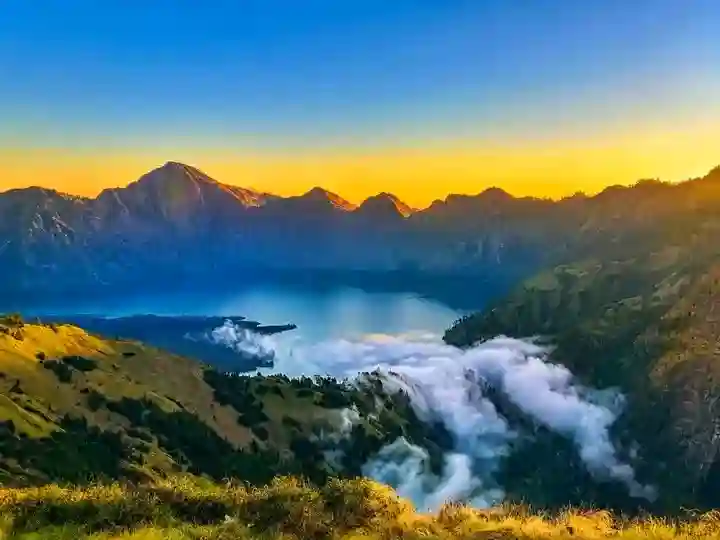
Standing at approximately 3,726 meters above sea level, Mount Rinjani is one of Indonesia’s most impressive volcanic mountains. Located on Lombok Island in West Nusa Tenggara, it attracts hikers and adventure travelers from around the world.
Mount Rinjani trekking for beginners can be a rewarding adventure for people who prepare carefully, understand the difficulty, and choose an appropriate itinerary.
At Rinjani Trekking Adventure, we help international travelers plan their Mount Rinjani trekking experience with practical local knowledge and guided trekking services.
In this complete guide, you will learn about trekking difficulty, routes, physical preparation, essential equipment, the best time to visit, safety considerations, and how to choose a suitable trekking package.
- Where Is Mount Rinjani Located?
Mount Rinjani is located on Lombok Island, West Nusa Tenggara, Indonesia. The mountain lies within Gunung Rinjani National Park, a protected area known for its volcanic scenery, forests, grasslands, and high-altitude ecosystems.
The mountain’s highest point reaches approximately 3,726 meters above sea level. One of its most remarkable features is Segara Anak, a crater lake situated inside the volcanic caldera. The area offers dramatic landscapes that make Mount Rinjani a popular destination for adventure tourism. Indonesia Travel also identifies the mountain and its crater lake as major attractions for visitors exploring Lombok.
Mount Rinjani can be reached from different parts of Lombok, depending on your arrival point and trekking itinerary. Many international travelers arrive through Lombok International Airport before continuing by road to a trekking village.
Before arranging transportation or accommodation, confirm your trekking date, permitted entrance route, and current national park access conditions.
- Is Mount Rinjani Suitable for Beginners?
Yes, some beginners can prepare for Mount Rinjani trekking, but it is important to understand that this is not an easy mountain hike.
Mount Rinjani is physically demanding because of its steep sections, long walking hours, uneven terrain, volcanic sand, elevation gain, and potentially cold conditions at higher elevations.
A person who has never climbed a mountain may find the experience especially challenging without prior walking or hiking preparation.
Before deciding to join a Mount Rinjani trek, consider the following factors:
- Physical fitness: You should be comfortable walking for several hours and climbing steep slopes.
- Endurance: Some trekking itineraries involve long days of continuous walking.
- Mental preparation: You may experience tiredness, discomfort, cold weather, and changing trail conditions.
- Equipment: Appropriate hiking shoes, warm clothing, a headlamp, and rain protection are important.
- Health: You should be fit enough for strenuous exercise and seek medical advice if you have concerns about your ability to participate safely.
Beginners should not choose a summit trek simply because it is the shortest package. A shorter itinerary may involve a more compressed schedule and more demanding walking days.
The best option depends on your fitness, hiking experience, available time, and personal goals.
- How Difficult Is Mount Rinjani Trekking?
Mount Rinjani is generally considered a challenging trekking destination. The difficulty varies according to the route, itinerary, weather, and whether you plan to reach the summit or visit other areas of the mountain.
Physical challenges
Steep uphill climbs
Some sections require sustained climbing, particularly when approaching high camps and the summit area. A good level of leg strength and cardiovascular endurance is helpful.
Loose volcanic sand
The final summit approach from the Sembalun side is particularly demanding because the loose ground can make progress slow. You may take several steps forward and slide backward on the steepest sections.
Long walking days
Depending on the itinerary, you may spend many hours trekking each day. Fatigue can accumulate, especially when carrying a backpack.
Cold temperatures
Conditions can become cold and windy at high elevations, particularly overnight and before sunrise. Suitable layers are essential.
Altitude
At 3,726 meters, the summit is high enough for altitude-related symptoms to occur. Headache, nausea, dizziness, unusual fatigue, and shortness of breath can be warning signs. Serious symptoms require stopping the ascent and seeking assistance.
Can you reach the summit on your first trek?
It may be possible for a well-prepared beginner, but reaching the summit is not guaranteed. Fitness alone does not eliminate the risks associated with weather, altitude, exhaustion, or trail conditions.
You should be willing to turn back if conditions become unsafe. Reaching a lower viewpoint or enjoying the crater rim can still provide a memorable experience.
- Which Mount Rinjani Trekking Route Should Beginners Choose?
Mount Rinjani has several trekking routes and itinerary combinations. Each offers different scenery and challenges, so your choice should depend on the current trail access rules and the experience you want.
Sembalun Route
Sembalun is known for its open grasslands, broad mountain views, and approach toward the summit. The landscape can be exposed to the sun, making sun protection and adequate hydration particularly important.
For trekkers aiming to reach the summit, Sembalun is a well-known starting point. However, the summit ascent is strenuous, and a short summit itinerary should not be mistaken for an easy trek.
Learn more in our guide to Mount Rinjani Trekking via Sembalun.
Senaru Route
Senaru is associated with tropical forest scenery, lush vegetation, and spectacular views from the crater rim. It is an attractive option for travelers interested in forest landscapes and panoramic mountain scenery.
The route can also involve steep and sustained sections, so good preparation remains important.
Read our guide to Mount Rinjani Trekking via Senaru for more information about the route and its scenery.
Torean Route
The Torean route is known for its distinctive valleys, dramatic terrain, and changing landscapes. It may be included in certain longer itineraries, depending on current access regulations.
Because route restrictions can change, do not assume that every route is open or suitable for your planned departure date. Check the latest official national park announcements before booking or travelling.
Important route-status notice: Reports published in late September 2026 stated that the Senaru and Torean routes were temporarily closed following a forest fire. Their status must be reconfirmed with the national park authorities before publication and before any trek. Never enter a closed route.
- How Many Days Do You Need for Mount Rinjani Trekking?
The ideal trekking duration depends on your goals, fitness, and available holiday time. Common package formats include two-day, three-day, and four-day itineraries, but their exact routes and inclusions vary between operators.
2 Days 1 Night Summit Trek
This option is designed for fit hikers with limited time who want to attempt the summit from Sembalun.
It generally involves a demanding ascent to a high campsite followed by an early-morning summit attempt. The schedule is compressed, so beginners should assess their fitness carefully before selecting it.
It is not the best choice for everyone who is new to mountain hiking.
3 Days 2 Nights Trek
A three-day itinerary can provide more time to experience the mountain, depending on the route selected. Some itineraries focus on the summit, while others emphasize the crater lake or crater rim.
Check the daily walking distances, campsite locations, summit plans, and descent route before choosing a package.
Read: Rinjani Summit Trek 2 Days
4 Days 3 Nights Trek
A four-day itinerary may allow a more gradual experience with additional time for selected mountain highlights, depending on the route and permitted access.
For travelers who prefer not to rush, a longer itinerary may offer a better balance between walking, rest, and enjoying the scenery.
Before booking, ask your trekking organizer to explain exactly what each itinerary includes.
Explore our Mount Rinjani Trekking Packages to compare available durations and choose an option that matches your travel plans.
- How to Prepare Physically for Mount Rinjani
Physical preparation is one of the most important steps for anyone considering Mount Rinjani trekking for beginners.
If possible, start training at least four to eight weeks before your trip. Your training should gradually improve endurance, leg strength, balance, and your ability to walk for extended periods.
Walking and hiking practice
Begin with regular walks on flat terrain and gradually increase the duration. When your fitness improves, introduce hills or stairs.
If you have access to hiking trails, practice walking on uneven ground while wearing the shoes and daypack you intend to use.
Read: Rinjani Summit Trek 3 Days
Cardiovascular exercise
Activities such as brisk walking, cycling, swimming, and jogging can help improve cardiovascular fitness.
Start at an intensity appropriate for your current ability and increase it gradually. Avoid sudden increases in training volume that may lead to injury.
Strength training
Useful exercises include squats, step-ups, lunges, and calf raises. These movements help prepare your legs for climbing and descending.
Balance exercises can also help you manage uneven ground.
Practice with your backpack
Walk with the daypack you expect to carry during the trek. Keep the weight manageable and carry only the essentials.
Do not wait until your arrival in Lombok to discover that your footwear causes blisters or that your backpack is uncomfortable.
- Essential Packing List for Mount Rinjani Trekking
Having appropriate equipment can improve comfort and help you manage changing mountain conditions.
Here are the main items to prepare.
Clothing
- Moisture-wicking hiking shirts.
- Comfortable hiking trousers.
- Warm insulating layers.
- A windproof and waterproof jacket.
- Extra socks and underwear.
- A warm hat and lightweight gloves.
Footwear
- Well-fitting hiking shoes with reliable grip.
- Comfortable trekking socks.
- Blister protection if needed.
Personal equipment
- A headlamp with spare batteries or a reliable charging solution.
- A reusable water bottle or hydration system.
- Sunscreen, sunglasses, and a sun hat.
- Personal toiletries and any prescribed medication.
- A small first-aid kit.
- A waterproof cover or dry bags for important belongings.
Documents and essentials
- Identification and required booking information.
- Emergency contact details.
- Sufficient drinking water and snacks for the trail.
- Cash and other necessities recommended by your operator.
Ask your trekking organizer which items are supplied, such as tents, sleeping bags, sleeping mats, meals, and cooking equipment. Do not assume these are included unless the package details confirm it.
You can also read our dedicated Mount Rinjani Trekking Packing List for a more detailed preparation checklist.
- What Is the Best Time to Climb Mount Rinjani?
The dry season is generally the preferred period for trekking Mount Rinjani because conditions can be more favorable for walking and viewing the landscape.
However, weather in the mountains is unpredictable. Rain, wind, low visibility, and sudden changes in conditions can occur even during periods that are normally considered suitable for trekking.
The national park may impose seasonal closures or temporary restrictions for safety and conservation reasons.
Before confirming your travel dates:
- Check the official Mount Rinjani National Park announcements.
- Confirm which trekking routes are open.
- Check your operator’s advice about expected weather and trail conditions.
- Allow flexibility in your travel itinerary in case your trek needs to be postponed or changed.
Do not book non-refundable transportation or accommodation on the assumption that the mountain will definitely be open on a particular date.
For further planning, see our article Best Time to Climb Mount Rinjani.
- Important Safety Tips for First-Time Hikers
Safety should always take priority over reaching the summit.
Follow your guide’s instructions. Stay with your trekking group and follow instructions concerning pace, rest breaks, route selection, and changing conditions.
Drink regularly. Carry sufficient water and drink throughout the day. Your needs depend on temperature, exertion, and individual circumstances.
Eat enough food. Regular meals and snacks can help maintain energy during long walking days.
Dress in layers. Conditions at the campsite and summit can be very different from those at lower elevations.
Recognize altitude symptoms. Do not continue ascending if you develop symptoms that could indicate altitude illness. Inform your guide promptly. Severe symptoms, including difficulty breathing at rest, confusion, or loss of coordination, require urgent assistance and descent.
Respect your limits. You do not have to reach the summit to have a successful trekking experience.
Protect the environment. Carry your rubbish back down, minimize disposable packaging, and follow national park conservation rules.
Verify current access requirements. Follow official registration procedures, permitted routes, and any temporary restrictions. A responsible trekking organizer should help you understand the requirements applicable to your trip.
- Should Beginners Hire a Mount Rinjani Trekking Guide?
For a challenging mountain such as Rinjani, arranging an appropriately qualified local guide and reliable trekking support is a sensible choice, particularly if you are unfamiliar with the area.
A professional trekking service can help coordinate the itinerary, camping arrangements, meals, porter support, transportation, and other services included in your booking.
Before choosing an organizer, ask about:
- The exact itinerary and daily walking schedule.
- Guide qualifications and safety procedures.
- What equipment, meals, and camping supplies are included.
- Emergency communication and contingency arrangements.
- Booking terms, cancellation policies, and permit procedures.
- The process for responding to trail closures or adverse weather.
Avoid choosing a package based on price alone. A transparent itinerary and a responsible approach to safety are more important than promises that every participant will reach the summit.
At Rinjani Trekking Adventure, our aim is to help travelers plan their mountain experience with clear package information and practical local guidance.
Visit https://rinjanitrekkingadventure.com/ to explore our trekking services and contact our team to discuss your plans.
- Frequently Asked Questions About Mount Rinjani Trekking for Beginners
Can beginners climb Mount Rinjani?
Some beginners may be able to complete a suitable itinerary after adequate physical preparation. However, Rinjani is a challenging mountain, and the summit should not be treated as guaranteed. Choose an itinerary based on your fitness, experience, and current trail conditions.
How fit do I need to be to climb Mount Rinjani?
You should be comfortable with prolonged walking, uphill climbs, and uneven terrain. Regular walking, stair training, and gradual strength and endurance exercises can help prepare you.
How many days should beginners spend trekking Mount Rinjani?
The right duration depends on your goals and fitness. A longer itinerary may provide more time for selected highlights, but no itinerary is automatically easy. Review the route, daily walking hours, and elevation gain before booking.
What should I pack for Mount Rinjani?
Essential items include suitable hiking shoes, warm layers, rain protection, a headlamp, water, snacks, sun protection, personal medication, and identification. Confirm which camping equipment and other supplies are included in your package.
What is the best route for a first-time Rinjani trekker?
There is no single best route for everyone. Sembalun is known for open grassland scenery and summit access, while Senaru is known for forest landscapes and crater-rim views. Route availability and suitability must be checked for your travel dates.
Can I book a Mount Rinjani trekking package in advance?
Yes. Advance planning is recommended so you can coordinate your travel dates, accommodation, equipment, and trekking arrangements. Confirm the current national park booking procedures, route access, and permit requirements before departure.
Is Mount Rinjani trekking worth it for beginners?
For travelers who enjoy outdoor adventures and prepare appropriately, Mount Rinjani can be a rewarding experience. Its landscapes, high-altitude views, and volcanic scenery make it memorable. However, beginners should understand the physical challenges and choose an itinerary that prioritizes safety.
- Plan Your Mount Rinjani Trekking Adventure
Your first Mount Rinjani trek can become one of the highlights of your visit to Lombok. With consistent physical preparation, suitable equipment, realistic expectations, and responsible local support, you can approach the adventure with greater confidence.
The most important step is to choose the right itinerary for your ability rather than focusing only on reaching the summit. Take time to understand the route, prepare for changing weather, and follow the current national park regulations.
Ready to plan your Mount Rinjani trekking adventure?
Explore our available trekking packages and discuss your preferred dates, route, and trekking duration with our team.
- Website: https://rinjanitrekkingadventure.com/
- WhatsApp: +62 877-3009-2657
- Email: rinjanitrekkingadventure@gmail.com
Contact Rinjani Trekking Adventure to discuss your trekking plans and find an option that suits your travel schedule and experience.
Mount Rinjani is a demanding mountain environment. Route access, permits, weather, and safety requirements can change. Confirm the latest official information before booking and beginning your trek.