
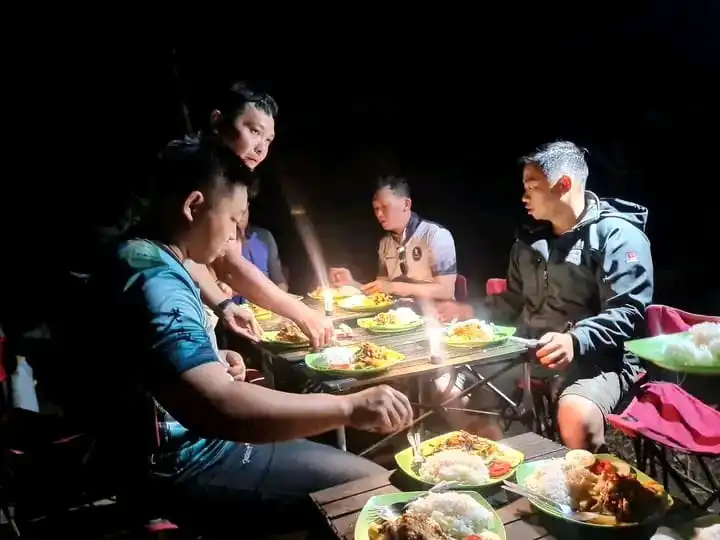
Why Food Nutrition Matters for Mount Rinjani Trekking – Mount Rinjani trekking is one of the most rewarding outdoor adventures in Indonesia. Located on Lombok Island, West Nusa Tenggara, Mount Rinjani offers spectacular landscapes, challenging trails, panoramic views, and unforgettable experiences. However, reaching the summit of Mount Rinjani is not only about physical strength and determination. Food nutrition for Mount Rinjani trekking also plays an important role in helping your body perform well throughout the journey.
A Rinjani trek can involve long hours of walking, steep climbs, uneven terrain, cold temperatures, and significant elevation gain. Your body needs enough calories, carbohydrates, protein, fluids, vitamins, and minerals to maintain energy and support recovery.
Why Food Nutrition Matters for Mount Rinjani Trekking
Whether you are planning a 2-day 1-night Mount Rinjani summit trek, a 3-day trekking adventure, or a longer Rinjani hiking itinerary, understanding the importance of nutrition can make your experience more comfortable and enjoyable.
In this guide, we explain why nutrition matters during Mount Rinjani trekking, what foods are useful for hikers, what to eat before and during the trek, and how proper nutrition can support your Rinjani adventure.
Why Nutrition Is Important for Mount Rinjani Trekking
Trekking Mount Rinjani requires considerably more physical effort than normal daily activities. You may spend several hours walking uphill, carrying a daypack, navigating rocky terrain, and climbing steep sections of the trail.
During exercise, your body uses stored energy, primarily from carbohydrates and fats. If you do not provide enough fuel, you may experience tiredness, weakness, difficulty concentrating, or reduced performance.
Proper nutrition helps provide the energy required for:
- Long-distance trekking
- Steep uphill climbs
- Summit attempts
- Walking on uneven terrain
- Carrying personal equipment
- Maintaining body temperature
- Recovering after a long trekking day
For this reason, food should be considered an important part of your Mount Rinjani trekking preparation, not simply something to eat when you become hungry.
The Physical Demands of Mount Rinjani Trekking
Mount Rinjani reaches an elevation of approximately 3,726 meters above sea level. The trekking routes can include long uphill sections, steep descents, rocky terrain, loose volcanic sand, and significant changes in elevation.
For example, the summit push from the Sembalun crater rim is particularly demanding. The trail becomes steep and may contain loose volcanic material, making every step more physically challenging.
A typical summit attempt may begin in the early morning and continue for several hours. During this period, your body requires readily available energy.
This is why proper nutrition for Rinjani trekking should be planned before you arrive in Lombok.
Carbohydrates: Your Main Source of Trekking Energy
Carbohydrates are one of the most important nutrients for hikers because they provide readily available energy for physical activity.
Foods containing carbohydrates can help replenish glycogen, the stored form of carbohydrate found primarily in your muscles and liver.
Good carbohydrate choices for trekking include:
- Rice
- Bread
- Oatmeal
- Bananas
- Potatoes
- Sweet potatoes
- Crackers
- Energy bars
- Dried fruit
- Noodles
Before a demanding trekking day, a meal containing carbohydrates can help provide energy for the trail.
For example, breakfast might include rice or oatmeal, bananas, bread, eggs, and fruit. During the trek, smaller carbohydrate-rich snacks can help maintain energy levels.
Why Carbohydrates Matter During the Summit Push
The summit section of Mount Rinjani requires sustained effort. Because the climb is steep and physically demanding, hikers may benefit from easily digestible carbohydrate sources.
Small snacks such as bananas, dates, energy bars, or crackers can be easier to consume while walking than a large meal.
The goal is to provide your body with regular fuel rather than waiting until you feel completely exhausted.
Protein Supports Muscle Recovery
While carbohydrates are important for energy, protein is essential for maintaining and repairing muscles.
Trekking involves repeated muscle contractions, especially in the legs. Uphill walking places significant demands on the quadriceps, hamstrings, calves, and gluteal muscles.
Good sources of protein include:
- Eggs
- Chicken
- Fish
- Tofu
- Tempeh
- Beans
- Milk
- Yogurt
- Nuts
Protein is particularly useful after a long trekking day because it supports muscle recovery.
A balanced meal after trekking could include rice, vegetables, chicken or eggs, and fruit.
For multi-day Mount Rinjani trekking packages, eating enough protein throughout the trip can help support recovery between trekking days.
Healthy Fats Provide Longer-Lasting Energy
Fat is another important source of energy. Although fats are not always the first choice for immediate energy during intense activity, they provide concentrated energy and can be useful as part of a balanced diet.
Healthy sources include:
- Nuts
- Peanut butter
- Seeds
- Avocado
- Olive oil
- Certain types of energy bars
For trekking snacks, a combination of carbohydrates and healthy fats can be useful.
For example, a banana with peanut butter or an energy bar containing nuts and dried fruit can provide a combination of nutrients.
However, very heavy or greasy foods may be uncomfortable during intense trekking, so portion size and timing matter.
Hydration Is Just as Important as Food
Food nutrition is only one part of trekking preparation. Hydration during Mount Rinjani trekking is equally important.
Your body loses water through sweating and breathing, especially during long periods of physical activity.
Dehydration can contribute to:
- Fatigue
- Headache
- Dizziness
- Reduced physical performance
- Difficulty concentrating
- Muscle cramps
Drink water regularly rather than waiting until you are extremely thirsty.
The amount of water you need depends on factors such as temperature, activity level, body size, individual sweat rate, and trekking duration.
Your trekking organizer or guide can also provide practical advice regarding water availability and carrying requirements along the route.
Electrolytes and Minerals
When you sweat, your body loses not only water but also electrolytes such as sodium and other minerals.
For long or demanding trekking days, electrolyte drinks or electrolyte-containing foods may be useful for some hikers.
Common sources include:
- Electrolyte drinks
- Oral rehydration products when appropriate
- Bananas
- Soups
- Salty foods
- Electrolyte tablets
However, electrolyte products are not a substitute for regular food and water. They should be considered part of an overall hydration and nutrition strategy.
What to Eat Before Mount Rinjani Trekking
Nutrition preparation should begin before you start hiking.
The day before your trek, focus on balanced meals containing carbohydrates, protein, vegetables, and fluids.
A suitable dinner could include:
- Rice
- Grilled or cooked chicken
- Vegetables
- Soup
- Fruit
- Plenty of fluids
Avoid experimenting with unfamiliar foods immediately before the trek. Foods that are excessively spicy, greasy, or difficult for you to digest may cause discomfort.
The goal is to start your Rinjani trekking adventure well-fed and hydrated without feeling overly full.
What to Eat for Breakfast Before Trekking
Breakfast is especially important before a long trekking day.
A practical trekking breakfast might include:
- Rice or oatmeal
- Eggs
- Banana or other fruit
- Bread
- Tea or coffee if you normally drink it
- Water
The exact meal depends on your personal preferences and how your body responds to food before exercise.
Some hikers prefer a larger breakfast, while others feel more comfortable eating a moderate meal followed by small snacks during the trek.
Best Snacks for Mount Rinjani Trekking
Choosing the right trekking snacks can make a significant difference during a long hike.
Good options include:
- Bananas
Bananas are convenient, easy to eat, and provide carbohydrates. They can be a practical snack during trekking.
- Energy Bars
Energy bars are lightweight and easy to carry. Look for products that provide carbohydrates and, depending on your preference, some protein and fat.
- Dried Fruit
Raisins, dates, dried mango, and other dried fruits provide concentrated carbohydrates and are easy to pack.
- Nuts
Nuts provide healthy fats, protein, and calories in a compact package.
- Crackers
Crackers are lightweight and can provide carbohydrates and sodium.
- Chocolate
Small amounts of chocolate can provide quick energy and can be an enjoyable trekking snack. Choose portions that are practical for the conditions and your personal tolerance.
Nutrition During the Summit Attempt
The summit attempt is often considered one of the most challenging parts of Mount Rinjani trekking.
Because the climb may begin around midnight or in the early morning, your eating strategy should be slightly different from a normal trekking day.
Instead of consuming a very large meal immediately before the climb, many hikers find it more comfortable to have a light meal or snack and then consume small amounts of food along the way.
- Examples include:
- Bananas
- Energy gels
- Dates
- Energy bars
- Chocolate
- Crackers
- Small sandwiches
Take small portions at regular intervals and drink water throughout the climb.
Your goal is to maintain energy rather than waiting until you are exhausted.
Food for Multi-Day Rinjani Trekking
For longer trekking packages, nutrition becomes even more important.
A 3-day 2-night Mount Rinjani trek or longer itinerary requires your body to recover while continuing to perform the following day.
Meals should ideally provide a combination of:
Carbohydrates + Protein + Vegetables + Healthy Fats + Fluids
For example, a trekking meal might consist of rice, chicken or eggs, vegetables, soup, and fruit.
A balanced meal can help replenish energy stores and provide nutrients needed for recovery.
Why Fresh and Balanced Meals Matter
On a mountain trek, food is more than just fuel. A warm, nutritious meal can also improve comfort and morale after several hours of walking
Professional trekking teams commonly prepare meals designed to provide sufficient energy for hikers while considering the practical limitations of cooking in a mountain environment.
Depending on your trekking package and organizer, meals may include Indonesian-style dishes such as rice, vegetables, eggs, chicken, noodles, soup, fruits, and other practical foods.
If you have specific dietary requirements, it is important to communicate them to your trekking organizer before the trip.
Vegetarian and Special Dietary Requirements
Many international hikers have dietary requirements or preferences.
If you are vegetarian, vegan, allergic to certain foods, or follow a particular diet, inform your trekking organizer before departure.
Possible vegetarian trekking foods include:
- Rice
- Tofu
- Tempeh
- Vegetables
- Eggs, if included in your diet
- Fruits
- Nuts
- Bread
For food allergies, clearly communicate the specific ingredients you need to avoid.
Advance communication gives the trekking team more time to prepare appropriate meals and snacks.
Foods to Avoid Before and During Trekking
Not every food is ideal for strenuous hiking.
- You may want to limit foods that are:
- Extremely greasy
- Very spicy
- Difficult to digest
- Excessively high in fiber immediately before intense activity
- Unfamiliar to your digestive system
- Very large in portion size
This does not mean you must completely avoid these foods in everyday life. The main consideration is whether they are comfortable for your body before and during strenuous physical activity.
Every hiker is different, so personal experience matters.
Nutrition and Altitude During Rinjani Trekking
Mount Rinjani’s high elevation means hikers may experience altitude-related challenges. Nutrition cannot prevent altitude sickness, and food should never be considered a treatment for serious altitude-related symptoms.
However, maintaining adequate hydration and regular energy intake can support overall physical performance.
If you experience concerning symptoms such as severe headache, confusion, difficulty walking, severe shortness of breath, or worsening symptoms at altitude, inform your guide immediately and follow professional medical advice.
Safety should always come before reaching the summit.
How Porters and Guides Support Trekking Nutrition
One advantage of joining an organized Mount Rinjani trekking package is that hikers can receive logistical support from experienced local trekking teams.
Porters may carry camping equipment, cooking supplies, food, and other necessary items, depending on the package.
This allows trekkers to focus more on walking and enjoying the mountain rather than carrying all expedition equipment themselves.
Experienced local guides can also help hikers understand the pace of the trek, rest when necessary, and manage practical needs along the route.
Sample One-Day Trekking Nutrition Plan
Here is a simple example of how food intake could be structured during a demanding trekking day:
Before Trekking
Breakfast:
- Rice or oatmeal
- Eggs
- Banana
- Bread
- Water
- During Trekking
Morning snack:
- Banana
- Energy bar
- Water
Midday meal:
- Rice
- Chicken or tofu
- Vegetables
- Fruit
- Water
Afternoon snack:
- Nuts
- Dried fruit
- Crackers
- Water or electrolyte drink
After Trekking
Dinner:
- Rice
- Chicken, fish, eggs, or tofu
- Vegetables
- Soup
- Fruit
- Water
This is only a general example. Your individual nutrition needs depend on your body, activity level, dietary preferences, and medical considerations.
Tips for Better Nutrition on Mount Rinjani
To make your trekking nutrition easier, keep these tips in mind:
- Start Hydrating Before the Trek
Do not wait until you reach the trailhead to start drinking water. Arrive at the trek reasonably hydrated.
- Eat Regularly
Small, regular snacks can help maintain energy during long trekking sections.
- Carry Easy-to-Eat Snacks
Choose lightweight foods that can be eaten quickly without requiring cooking.
- Combine Different Nutrients
Instead of relying entirely on sugar-based snacks, combine carbohydrates with protein or healthy fats when practical.
- Listen to Your Body
Hunger, unusual fatigue, dizziness, and weakness should not simply be ignored
- Do Not Forget Water
Even the best trekking food cannot compensate for inadequate hydration.
- Tell Your Trekking Organizer About Dietary Needs
Communicate allergies, vegetarian requirements, religious dietary restrictions, or other important food preferences before your trip.
Nutrition Is Part of Your Rinjani Trekking Preparation
Preparing for Mount Rinjani should involve more than buying hiking shoes and packing clothes.
A complete preparation plan should include:
- Physical training
- Appropriate hiking equipment
- Proper footwear
- Weather preparation
- Hydration planning
- Nutrition
- Adequate rest
- Understanding the trekking route
- Choosing an experienced trekking organizer
Nutrition is one part of the bigger picture.
When your body receives adequate fuel and hydration, you are better prepared to handle the physical demands of the trail.
Frequently Asked Questions About Rinjani Trekking Nutrition
What should I eat before Mount Rinjani trekking?
Choose a balanced meal containing carbohydrates, protein, and fluids. Rice, oatmeal, bread, eggs, vegetables, and fruit are practical choices.
What snacks are good for Mount Rinjani trekking?
Bananas, energy bars, dried fruit, nuts, crackers, dates, and small portions of chocolate are convenient trekking snacks.
How much water should I bring for Mount Rinjani?
Water requirements vary depending on your body, weather, activity level, and trekking duration. Your trekking organizer should provide specific guidance based on the route and available water sources.
Is breakfast important before the Rinjani summit trek?
Yes. A suitable breakfast or light pre-trek meal can provide energy before a demanding summit attempt. Many hikers also use small snacks during the climb.
Can vegetarians join a Mount Rinjani trekking package?
Yes, but you should inform your trekking organizer in advance so suitable meals can be prepared.
Does food prevent altitude sickness?
No. Proper nutrition and hydration support general physical performance but do not prevent or treat altitude sickness. Concerning altitude symptoms should be taken seriously.
What should I eat after a long day of trekking?
A meal containing carbohydrates, protein, vegetables, and fluids can support energy replenishment and recovery.
Final Thoughts: Fuel Your Mount Rinjani Adventure
Mount Rinjani trekking is an extraordinary experience, but the mountain demands physical preparation and responsible planning. Food nutrition for Mount Rinjani trekking should be an important part of that preparation.
Carbohydrates help provide energy for long climbs, protein supports muscle recovery, healthy fats provide additional energy, and adequate hydration helps your body function during strenuous activity.
From breakfast before the trek to snacks during the summit push and a nutritious dinner after a long day, every meal can contribute to a more comfortable trekking experience.
If you are planning a Mount Rinjani trekking adventure in Lombok, Indonesia, choose a trekking package that provides appropriate meals, experienced guides, reliable logistics, and good support throughout the journey.
With proper preparation, adequate nutrition, hydration, and a realistic understanding of the trail, you can focus more on what makes Mount Rinjani special: the sunrise above the clouds, dramatic volcanic landscapes, Segara Anak Lake, the Sembalun savannah, and the unforgettable feeling of reaching your trekking goals.
Prepare your body, fuel your adventure, respect the mountain, and enjoy every step of your Mount Rinjani journey.