
Rinjani Trekking Guide for Beginners in Lombok Indonesia – Mount Rinjani is one of the most spectacular hiking destinations in Indonesia, attracting adventurers from around the world who want to experience dramatic volcanic landscapes, beautiful crater lakes, mountain forests, and breathtaking sunrise views.
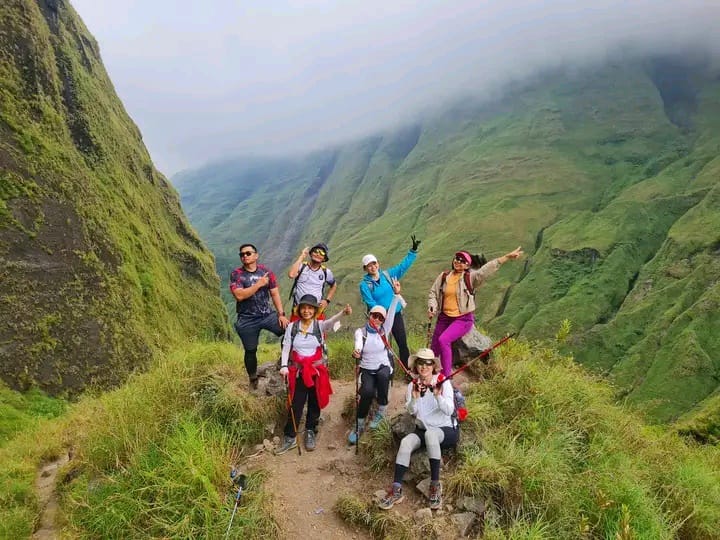
Rinjani Trekking Guide for Beginners in Lombok Indonesia
Located on Lombok Island in West Nusa Tenggara, this magnificent volcano reaches approximately 3,726 meters above sea level and offers an unforgettable adventure for outdoor enthusiasts.
If you are planning your first mountain trekking experience, you may be wondering whether Mount Rinjani is suitable for beginners. The answer depends on your physical fitness, hiking experience, chosen trekking route, and willingness to prepare properly before your journey.
Although beginners can experience Mount Rinjani, this mountain should not be underestimated. Some routes involve steep ascents, loose volcanic sand, rocky terrain, cold temperatures, and long hours of walking. Reaching the summit requires considerably more effort than enjoying a shorter trek to a crater rim.
With proper preparation, a suitable itinerary, and support from an experienced local trekking guide, first-time trekkers can enjoy a safer and more rewarding experience.
At Rinjani Trekking Adventure, we help travelers discover the beauty of Mount Rinjani through organized trekking experiences designed around different fitness levels, travel schedules, and adventure preferences.
In this guide, you will learn how to prepare for your first Rinjani trek, choose the right route, select a trekking package, and understand what to expect during your mountain adventure.
Where Is Mount Rinjani Located?
Mount Rinjani is situated on Lombok Island, part of Indonesia’s West Nusa Tenggara province. The mountain lies within Mount Rinjani National Park, a protected area known for its volcanic scenery, diverse ecosystems, and remarkable natural beauty.
Lombok is accessible by air and sea, making it a popular destination for international travelers visiting Indonesia. Visitors commonly arrive through Lombok International Airport or travel by ferry or fast boat from nearby destinations, depending on their itinerary.
Before beginning your trek, you will generally travel to a designated starting village, such as Sembalun or Senaru, depending on your selected route.
These villages are important gateways to Mount Rinjani and provide access to local trekking services, accommodation, transportation arrangements, and trekking preparation.
Why Is Mount Rinjani So Popular?
Mount Rinjani offers a variety of natural attractions that make it different from many other hiking destinations.
Some of its highlights include:
- Mount Rinjani Summit: A challenging climb leading to panoramic views across Lombok and neighboring islands when weather conditions permit.
- Segara Anak Crater Lake: A beautiful volcanic lake surrounded by dramatic mountain scenery.
- Sembalun Crater Rim: A spectacular viewpoint overlooking the crater and surrounding landscapes.
- Senaru Crater Rim: A famous viewpoint offering impressive views of Segara Anak and the volcanic caldera.
- Mountain Sunrise: An unforgettable experience for trekkers who reach suitable viewpoints before dawn.
- Camping Under the Stars: An opportunity to spend the night in a remarkable mountain environment.
These attractions make Rinjani appealing to experienced hikers and adventurous beginners who are prepared for the physical demands of the mountain.
Can Beginners Climb Mount Rinjani?
Yes, beginners can trek Mount Rinjani, but choosing the right itinerary is essential.
You do not necessarily need years of hiking experience to enjoy a Rinjani trekking adventure. However, you should be physically prepared, comfortable walking for several hours, and aware of the challenges associated with mountain environments.
The summit route is particularly demanding because the final ascent involves steep slopes and loose volcanic material. Even people who exercise regularly may find this section physically exhausting.
For beginners, the most important decision is choosing an itinerary that matches their fitness, available time, and personal goals.
Is the Summit Trek Suitable for First-Time Hikers?
The summit trek may be possible for well-prepared beginners who have good cardiovascular fitness, strong legs, and sufficient endurance.
However, it is not the best choice for everyone.
Before booking a summit itinerary, consider whether you can comfortably:
- Walk for several hours on uneven terrain.
- Climb steep hills without excessive fatigue.
- Carry a daypack while walking uphill.
- Continue moving when temperatures are cold.
- Manage a long trekking day followed by an early-morning ascent.
- Follow your guide’s instructions when conditions become difficult.
If you have little hiking experience, consider building your endurance before attempting the summit. A shorter itinerary or crater-rim trek may provide a more comfortable introduction to the mountain.
Your guide should help you understand the difficulty of your chosen route before departure.
Choosing the Best Rinjani Trekking Route for Beginners
Mount Rinjani has several trekking routes, and each offers a different experience. The best option depends on your fitness level, preferred scenery, and the amount of time you can spend on the mountain.
- Sembalun Route: For Trekkers Interested in the Summit
The Sembalun route is one of the most popular starting points for hikers attempting the Mount Rinjani summit.
The trail crosses open grasslands and rolling hills before continuing toward higher mountain terrain. As you gain elevation, the scenery changes from expansive hillsides to rugged volcanic landscapes.
Why choose Sembalun?
- It is a common starting point for summit-focused itineraries.
- It offers wide-open landscapes and panoramic views.
- It provides access to the Sembalun Crater Rim.
- It can be incorporated into multi-day trekking programs.
However, the open terrain can expose trekkers to strong sunlight, and the summit ascent is demanding.
For beginners who want to reach the summit, the Sembalun route may be appropriate if they prepare seriously and choose a suitable itinerary with an experienced guide.
- Senaru Route: For Forest Scenery and Crater-Rim Views
Senaru is another well-known gateway to Mount Rinjani. The route is famous for its forest environment, shaded sections, and dramatic views from higher elevations.
As you climb, the trail passes through tropical vegetation before reaching more exposed mountain terrain.
Why choose Senaru?
- It offers a forest trekking experience.
- It provides access to Senaru Crater Rim viewpoints.
- It is suitable for travelers interested in mountain scenery without necessarily prioritizing the summit.
- It can be combined with longer itineraries involving other parts of the mountain.
Do not assume that the Senaru route is easy simply because it begins in a forest. The trail includes sustained climbing, uneven surfaces, and significant elevation gain.
For beginners, a crater-rim itinerary can be a rewarding option, provided they are comfortable with the expected walking distance and ascent.
- Torean Route: For Dramatic Natural Landscapes
The Torean route is known for its lush valleys, river scenery, forested terrain, and striking volcanic landscapes.
It offers a different perspective from the more open Sembalun trail and can be included in certain multi-day itineraries.
Torean may appeal to trekkers who prefer varied scenery and want to experience a different side of Mount Rinjani.
However, the route can include steep sections, uneven ground, river crossings or streamside terrain, depending on the trail conditions. It should not automatically be considered an easy alternative for beginners.
Choose this route with the help of an experienced operator who can explain the current itinerary, trail conditions, and physical requirements.
Which Route Should Beginners Choose?
For beginners primarily interested in reaching the summit, Sembalun is a common option to consider.
For travelers who prefer scenic viewpoints without necessarily attempting the summit, a crater-rim itinerary may be more suitable.
For those interested in a varied landscape and a multi-day adventure, Torean may be worth considering as part of an appropriately planned route.
Always confirm current national park access rules, route availability, weather conditions, and permitted itineraries before making your booking.
- How Difficult Is Mount Rinjani Trekking?
Mount Rinjani is generally considered a challenging trekking destination, particularly for summit attempts.
The difficulty depends on the route, elevation gain, duration, weather, trail conditions, and individual fitness.
Even if you exercise regularly, walking uphill for several hours while carrying equipment can feel very different from exercising at sea level.
Physical Challenges Beginners Should Expect
Steep uphill sections
Many trails require sustained climbing. Your leg muscles and cardiovascular system will work harder as the elevation increases.
Loose volcanic sand
Some summit sections contain loose material that makes progress difficult. Your feet may slide backward with each step, requiring patience and energy.
Cold temperatures
Mountain temperatures can become significantly colder at night and before sunrise. Wind can make conditions feel even colder.
Long walking hours
Depending on your itinerary, you may spend much of the day walking between campsites, viewpoints, and other destinations.
Changing weather
Rain, wind, fog, and changing visibility can affect your comfort and safety. Your guide may need to modify the itinerary or recommend turning back.
How Fit Should You Be?
There is no single fitness standard that guarantees a successful summit attempt.
As preparation, try building up to regular brisk walking, stair climbing, hiking on uneven ground, and aerobic exercise several weeks before your trip.
Gradually increase the duration and intensity of your workouts. Include rest days and avoid suddenly increasing your training load immediately before departure.
If you have a medical concern that could affect strenuous exercise or high-altitude trekking, consult an appropriate healthcare professional before attempting the climb.
Remember that reaching the summit is not the only measure of a successful trekking experience. Making safe decisions and enjoying the journey are equally important.
- Essential Preparation Before Your First Rinjani Trek
Good preparation can make your trekking experience more comfortable and help you manage the challenges of the mountain.
- Improve Your Physical Fitness
Ideally, begin preparing several weeks before your trip.
Your training can include:
- Brisk walking for cardiovascular endurance.
- Stair climbing to strengthen your legs.
- Hiking on uneven terrain when available.
- Squats and step-ups to develop leg strength.
- Light backpack training to become comfortable carrying equipment.
Start at a manageable level and increase your workload gradually.
If possible, complete a few longer practice walks before your departure. This helps you understand how your body responds to extended physical activity.
- Choose the Right Trekking Duration
Do not choose a package solely because it is the shortest or cheapest.
A shorter summit itinerary can be more demanding because it compresses the ascent and descent into less time. A longer itinerary may provide additional opportunities to rest, enjoy the scenery, and explore more areas of the mountain.
Before booking, ask your trekking organizer about daily walking hours, elevation changes, campsite locations, and the difficulty of the summit attempt.
- Prepare Your Mind
Mountain trekking requires patience and flexibility.
You may experience fatigue, cold weather, slow progress, or moments when the trail feels more difficult than expected.
Set realistic expectations and remain willing to adjust your plans when necessary.
A responsible trekking decision is more important than completing an itinerary at all costs.
- Essential Equipment for Beginner Rinjani Trekkers
Packing the right equipment can help you stay comfortable throughout the journey.
Your exact equipment list will depend on the itinerary, season, and services included in your trekking package.
Clothing
Bring clothing suitable for both warm daytime conditions and cold mountain nights.
Recommended items include:
- Moisture-wicking shirts.
- Comfortable trekking trousers.
- A warm insulating layer.
- A windproof or waterproof jacket.
- Extra socks.
- Warm gloves and a beanie.
- Comfortable clothing for sleeping.
Avoid relying exclusively on cotton clothing, which can remain damp and uncomfortable when you sweat.
Footwear
Choose hiking shoes or boots that fit well and provide reliable traction.
If possible, wear them during training walks before your trip. This helps identify uncomfortable pressure points and reduces the risk of blisters.
You may also want to bring trekking poles, especially if you find steep descents difficult.
Personal Equipment
Depending on what your organizer supplies, consider bringing:
- A comfortable daypack.
- A headlamp with spare batteries.
- A reusable water bottle.
- Sunscreen and sunglasses.
- Personal toiletries.
- A small personal first-aid kit.
- Blister care supplies.
- Personal medication, if applicable.
- A phone and suitable power bank.
A sleeping bag, tent, sleeping mat, meals, and other camping equipment may be included in your package. Confirm this before departure so you do not carry unnecessary equipment.
Food and Water
Drink regularly throughout the trek and follow your guide’s advice about hydration.
Bring personal snacks that are easy to eat while walking, such as energy bars, nuts, or dried fruit.
Your organizer should explain the meals and drinking water arrangements included in your itinerary. Avoid assuming that every package provides identical services.
- Why Hire a Local Rinjani Trekking Guide?
Hiring an experienced local trekking guide can make a significant difference, particularly if this is your first mountain adventure.
A guide can help you understand the route, manage the pace, identify changing trail conditions, and make informed decisions throughout the trek.
A professional organizer can also coordinate transportation, camping arrangements, meals, porters, and other practical details.
Benefits of Trekking With a Professional Guide
- Route knowledge
Local guides understand the terrain and can explain the different sections of your itinerary.
- Pace management
A guide can help establish a manageable walking pace and encourage appropriate rest breaks.
- Safety awareness
An experienced guide can monitor weather changes, fatigue, and other potential concerns. No guide can eliminate all mountain risks, but professional support can help you make better decisions.
- Logistical support
Organized trekking services can simplify arrangements for permits, camping equipment, food, and transportation, depending on the package.
- Local knowledge
Your guide can share information about Lombok’s culture, local communities, mountain traditions, and natural environment.
How to Choose the Best Rinjani Trekking Guide
Before making a reservation, consider these questions:
- Does the organizer operate in accordance with current national park rules?
- Are the guides experienced with your chosen route?
- Is the itinerary clearly explained?
- Are the included and excluded services listed?
- What safety procedures are followed?
- How are weather changes and emergencies handled?
- Are recent customer reviews available?
- Is the booking and payment process transparent?
Avoid choosing a trekking service based on price alone. Clear communication, responsible operations, and realistic safety information are important when selecting a mountain guide.
For your first Mount Rinjani adventure, choose a team that explains the challenges honestly and helps you select an itinerary that suits your ability.
- Best Time to Trek Mount Rinjani
Mount Rinjani trekking is seasonal, and conditions can change throughout the year.
The period from approximately April to October is commonly associated with the drier trekking season in Lombok. However, this does not guarantee perfect weather every day.
Rainfall, wind, visibility, trail conditions, and official national park decisions can affect your experience.
During wetter periods, trails may become slippery, and certain sections may be more difficult or unsafe.
The national park may also implement seasonal closures or other restrictions. Always verify official announcements before finalizing your travel plans.
What Should Beginners Consider When Choosing Dates?
When planning your trek, consider:
- Your available travel dates.
- The physical demands of your selected route.
- Expected weather conditions.
- National park opening and closure announcements.
- Your flexibility if conditions require a change of plan.
If this is your first trek, allow enough time in your Lombok itinerary to prepare and recover rather than scheduling strenuous activities immediately before or after your mountain adventure.
- Choosing the Best Mount Rinjani Trekking Package for Beginners
Selecting the right package is one of the most important decisions you will make.
Different itineraries offer different combinations of summit attempts, crater-rim viewpoints, crater-lake visits, camping experiences, and walking durations.
Below are common package formats to discuss with your trekking organizer.
2 Days 1 Night Summit Trek
This is a shorter, summit-focused option that typically starts from Sembalun.
It is designed for trekkers who want to attempt the summit within a limited timeframe.
Although it may appear convenient, the schedule is physically demanding. The summit ascent commonly begins during the night or early morning, and the loose volcanic terrain can be especially tiring.
Is it suitable for beginners?
Potentially, for beginners with good fitness and appropriate preparation. It is not generally the best choice for someone who is unfit or unfamiliar with sustained uphill hiking.
3 Days 2 Nights Trek
A three-day itinerary may allow more time for the trekking experience and can be arranged around summit attempts, crater-rim viewpoints, and other attractions depending on the route.
Some itineraries include Segara Anak Crater Lake and the surrounding volcanic landscape, while others prioritize different combinations of viewpoints and trails.
Is it suitable for beginners?
It may be a good option for well-prepared beginners who want a more extended experience, but the actual difficulty depends on the itinerary. More days do not automatically mean an easy trek.
4 Days 3 Nights Trek
A four-day itinerary can offer a more extended mountain adventure, with time to explore additional viewpoints and landscapes depending on the selected route.
Some programs combine Sembalun and Torean, while others follow different permitted routes.
Is it suitable for beginners?
It may suit beginners who have adequate fitness and want a longer experience, but route changes, steep terrain, and summit attempts can still make it strenuous.
Before booking any package, ask your organizer to explain the daily route, expected walking hours, elevation gain, camping arrangements, and whether the itinerary includes a summit attempt.
- What to Expect During Your First Rinjani Trek
Understanding the general trekking process can help reduce uncertainty before your adventure begins.
Although the schedule differs between packages, a typical organized trek follows several stages.
Before the Trek
Your organizer may arrange transportation to the starting village, accommodation, registration assistance, and a briefing.
Use this opportunity to confirm the itinerary, check your equipment, discuss any physical limitations, and ask questions about safety procedures.
Follow the operator’s instructions regarding park registration and required documentation.
During the Ascent
Your guide will lead the group along the designated route.
Walk at a sustainable pace rather than trying to keep up with the fastest hikers. Take appropriate breaks, eat your snacks, and drink water regularly.
Tell your guide if you feel unusually exhausted, dizzy, nauseated, or unwell.
At the Campsite
Depending on your package, you may camp at a designated location with views of the surrounding mountains or volcanic landscape.
Use the time to eat, hydrate, rest, and prepare for the next day’s walking.
Mountain temperatures can fall significantly after sunset, so change into dry clothing and keep your warm layers accessible.
During a Summit Attempt
The summit section is often one of the most challenging parts of a Rinjani trek.
Conditions may include darkness, cold temperatures, strong winds, and loose volcanic sand.
Follow your guide’s instructions, use your headlamp, and avoid rushing. Your guide may recommend stopping or turning back if the conditions or your physical condition make continuing unsafe.
Reaching the summit is an achievement, but returning safely is the priority.
- Responsible and Eco-Friendly Trekking on Mount Rinjani
Mount Rinjani is a remarkable natural environment that deserves protection.
Every trekker has a responsibility to minimize their impact and respect the mountain, wildlife, local communities, and other visitors.
Follow these principles during your journey:
- Carry your rubbish back down according to your organizer’s waste-management procedures.
- Avoid leaving plastic bottles, food packaging, or other waste at campsites.
- Use designated trails and authorized camping areas.
- Respect wildlife and avoid damaging plants.
- Follow national park regulations and your guide’s instructions.
- Use water responsibly.
- Avoid unnecessary single-use plastics.
- Respect local customs and the communities around the mountain.
When choosing a trekking organizer, ask how waste is collected and transported, how staff follow park regulations, and what steps the company takes to support responsible tourism.
An unforgettable adventure should also help preserve Mount Rinjani for future generations.
- Common Mistakes Beginners Should Avoid
First-time trekkers can improve their experience by avoiding several common mistakes.
Choosing a Package Based Only on Price
A very low price may not include all the services you expect. Compare the itinerary, meals, equipment, transportation, permits, and guide arrangements before making a decision.
Underestimating the Summit
The summit is not simply a long walk uphill. Loose sand, steep terrain, cold temperatures, and fatigue can make the final ascent particularly challenging.
Wearing New Hiking Shoes
Unfamiliar footwear may cause blisters or discomfort. Test your shoes before the trek.
Packing Too Little Warm Clothing
Daytime temperatures can be comfortable, but nighttime and early-morning conditions can be cold and windy.
Ignoring Hydration and Nutrition
Insufficient food or water can contribute to fatigue and make sustained walking more difficult. Follow your guide’s advice and take regular opportunities to eat and drink.
Ignoring Warning Signs
Do not hide symptoms of illness or exhaustion because you want to reach the summit. Inform your guide promptly if you feel unwell.
Forgetting to Check Official Restrictions
Routes, permits, quotas, and access arrangements may change. Confirm the latest requirements before traveling.
- Book Your First Mount Rinjani Trek With a Local Team
Planning your first Mount Rinjani adventure can feel complicated, especially if you are visiting Lombok from another country.
You may need to compare routes, choose a suitable package, organize transportation, prepare equipment, and understand the physical demands of the mountain.
Working with a local trekking organizer can make these arrangements easier.
Rinjani Trekking Adventure offers organized Mount Rinjani trekking experiences for travelers who want to explore Lombok’s spectacular mountain landscapes with local support.
Depending on your preferences and the available itinerary, you can explore options such as:
- 2 Days 1 Night Summit Trek.
- 3 Days 2 Nights Trek.
- 4 Days 3 Nights Trek.
- Sembalun trekking itineraries.
- Senaru trekking itineraries.
- Selected multi-day routes involving Torean.
Our goal is to help you choose an adventure that matches your schedule, interests, and physical preparation.
Before confirming your reservation, ask us about the available dates, package inclusions, route conditions, and the best itinerary for your experience level.
How to Book Your Rinjani Trekking Adventure
- Visit our website: https://rinjanitrekkingadventure.com/
- Explore the available Mount Rinjani trekking packages.
- Compare the duration, route, inclusions, and prices.
- Complete the reservation form on the relevant tour program page.
- Review the invoice and payment instructions provided by our team.
- Share your arrival details as requested before your trekking date.
For booking questions or assistance selecting a package, contact our team:
Website: https://rinjanitrekkingadventure.com/
WhatsApp: +62 877-3009-2657
Email: rinjanitrekkingadventure@gmail.com
Alternative Email: info@rinjanitrekkingadventure.com
Let our local team help you plan a memorable Mount Rinjani experience in Lombok, Indonesia.