
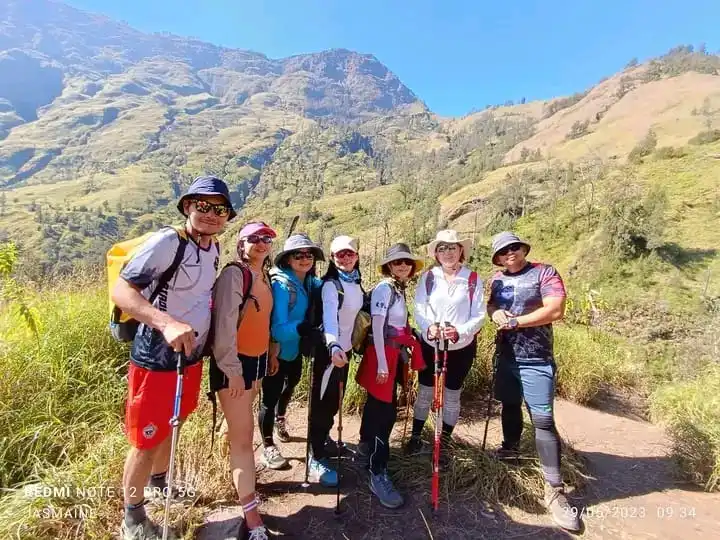
Mount Rinjani Trekking Tips for Beginners – A Complete Guide to Your First Adventure, Mount Rinjani is one of the most spectacular hiking destinations in Indonesia. Located on Lombok Island, West Nusa Tenggara, this magnificent volcano attracts adventurers from around the world who dream of experiencing breathtaking mountain scenery, dramatic volcanic landscapes, beautiful sunrises, and unforgettable camping experiences.
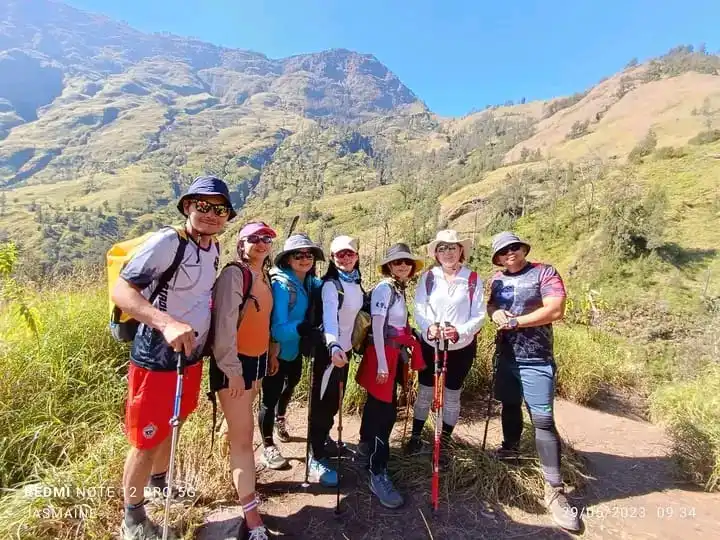
Mount Rinjani Trekking Tips for Beginners
Standing at approximately 3,726 meters above sea level, Mount Rinjani offers an extraordinary adventure for hikers seeking a challenge. However, climbing this mountain is not simply a matter of walking uphill. The steep trails, loose volcanic sand, changing weather, cold temperatures, and long trekking hours require proper preparation.
For first-time hikers, understanding how to prepare for Mount Rinjani can make a significant difference to your comfort, safety, and overall experience.
In this comprehensive guide, we share essential Mount Rinjani trekking tips for beginners, covering physical preparation, choosing the right trekking route, packing essential equipment, managing energy, understanding mountain safety, and protecting the natural environment.
Whether you want to reach the summit, watch the sunrise above the clouds, or explore the spectacular Segara Anak Crater Lake, these tips will help you prepare for your first Rinjani adventure.
- Understand the Difficulty of Mount Rinjani
Before booking a trek, it is important to understand that Mount Rinjani is a physically demanding mountain. Although some hiking destinations are suitable for casual walkers, Rinjani requires better endurance, preparation, and determination.
The difficulty depends on your chosen route, itinerary, fitness level, weather conditions, and trekking objectives.
The summit route from Sembalun is particularly challenging. Hikers typically encounter long uphill sections, steep terrain, loose volcanic gravel, and a demanding final ascent. The descent can also be difficult because loose ground places additional pressure on your knees and ankles.
For beginners, the most important lesson is simple: do not underestimate the mountain.
You do not necessarily need years of mountaineering experience to attempt a suitable Rinjani itinerary, but you should be physically prepared and willing to follow your guide’s instructions.
Before making a reservation, ask your trekking organizer about daily walking hours, elevation gain, overnight camping locations, included equipment, and the difficulty of your selected package.
Understanding these details helps you choose an adventure that matches your abilities rather than your expectations alone.
- Choose the Right Mount Rinjani Trekking Package
Choosing the right itinerary is one of the most important decisions for beginners. Different trekking packages offer different combinations of summit views, crater rims, camping experiences, and opportunities to explore the surrounding landscape.
Two Days and One Night Summit Trek
The 2-day, 1-night summit trek is a shorter itinerary designed for hikers who want to reach the summit and experience Mount Rinjani within a limited timeframe.
This option generally involves a demanding ascent from Sembalun, an overnight camping experience, an early-morning summit attempt, and a descent according to the itinerary.
Although it requires less time than longer packages, it is not necessarily the easiest choice. The short schedule can make the trek particularly strenuous.
Beginners should consider this option only if they have excellent physical preparation and understand the demands of the summit climb.
Three Days and Two Nights Trek
The 3-day, 2-night trekking package offers a more extended experience and may be a suitable option for physically prepared beginners who want additional time on the mountain.
Depending on the route and program, this itinerary can combine a summit attempt with visits to the crater rim and Segara Anak Crater Lake.
The additional day can provide a more varied trekking experience, although the itinerary may still involve considerable elevation changes and long walking hours.
Four Days and Three Nights Trek
For travelers who prefer a longer mountain experience, the 4-day, 3-night package can offer more time to explore Rinjani’s dramatic scenery.
Depending on the selected route, hikers may visit the summit, crater lake, hot springs where permitted, and different crater-rim viewpoints.
The longer schedule can allow for a more gradual journey, but it should not automatically be considered easy. Reaching the summit and descending through steep terrain remain physically demanding activities.
Beginner tip: Choose a package based on your fitness, available time, and trekking goals. A longer itinerary may provide a more immersive experience, but every route should be assessed carefully before booking.
- Start Training Before Your Trek
Physical preparation is essential for anyone planning to climb Mount Rinjani, especially first-time hikers.
You do not have to become an elite athlete, but your body should be accustomed to prolonged walking, uphill movement, and carrying a backpack.
Ideally, begin training six to eight weeks before your planned trek, adjusting the schedule to your current fitness and experience.
Build Cardiovascular Endurance
Activities such as brisk walking, jogging, cycling, swimming, and climbing stairs can improve cardiovascular endurance.
Start with manageable sessions and gradually increase the duration and intensity. Your goal is to become comfortable with sustained physical activity rather than exhausting yourself during every workout.
Long walks on weekends can be particularly useful because they help you understand how your body responds to extended exercise.
Practice Hiking Uphill and Downhill
Mount Rinjani involves more than climbing uphill. Descending steep trails can be equally challenging, particularly when your legs are tired.
Practice walking on hills, uneven paths, and stairs whenever possible. Gradually introduce longer hikes and use trekking poles if you intend to use them during your Rinjani adventure.
Downhill training can help improve balance, coordination, and muscular endurance.
Strengthen Your Legs and Core
Exercises such as squats, step-ups, lunges, calf raises, and core-strengthening movements can help prepare your body for uneven terrain.
Begin with exercises appropriate to your ability and prioritize correct technique. Increase the workload gradually rather than attempting an intense training program immediately before departure.
Train With Your Backpack
If you expect to carry a daypack during your trek, practice walking with a similar pack.
Start with a light load and increase it gradually. This allows you to become familiar with the weight of your water, clothing, snacks, and other personal essentials.
Avoid carrying unnecessary items because extra weight can increase fatigue throughout the trek.
- Choose the Best Season for Your Rinjani Trek
Weather conditions can strongly influence your Mount Rinjani experience.
The dry season, generally occurring from around April to October in Lombok, is commonly preferred for trekking. However, actual conditions vary from year to year, and the mountain can experience changing weather even during the drier months.
During wetter periods, trails may become slippery, visibility can decrease, and rainfall can make certain sections more difficult.
Before booking your trip, check the current Mount Rinjani National Park regulations, official opening status, weather forecasts, and any route restrictions.
Remember that trekking access may be restricted or suspended because of weather, conservation requirements, maintenance, volcanic activity, or other safety concerns.
Do not assume that a route will be available simply because you have already booked accommodation or transport.
A responsible trekking organizer should communicate relevant updates and explain any changes to the itinerary.
- Select the Right Trekking Route
Mount Rinjani has several trekking access routes, each offering different landscapes and experiences.
Sembalun Route
Sembalun is a popular starting point for trekkers aiming to reach the summit. The route crosses open grasslands and gradually leads toward higher elevations.
The summit approach is particularly demanding because it involves steep terrain and loose volcanic material. Beginners should prepare for a long and strenuous climbing section.
Senaru Route
Senaru is another established gateway to Mount Rinjani. Its forested trails offer a different atmosphere, with shaded vegetation and views toward the surrounding landscape.
Depending on the itinerary, Senaru can be used for crater-rim trekking or as part of a longer journey across the mountain.
Torean Route
The Torean route is known for its dramatic valleys, river scenery, steep terrain, and distinctive volcanic landscapes.
Although it is visually impressive, the route can involve demanding descents, exposed sections, and uneven paths. It should not be treated as an easy alternative for beginners.
When selecting a route, consider your trekking objectives, physical condition, the number of days available, and the current regulations governing access.
If this is your first mountain trek, discuss the route with an experienced local guide before making a final decision.
- Prepare a Complete Mount Rinjani Packing List
Packing the right equipment can make your trek considerably more comfortable.
The temperature on Mount Rinjani can drop significantly at night and near the summit, especially when wind increases. You should therefore prepare for both warm daytime conditions and cold mountain weather.
Essential items include:
- Hiking boots or trail shoes: Choose footwear with good traction and adequate support. Break them in before your trip.
- Moisture-wicking clothing: Wear breathable clothing that helps manage sweat.
- Warm layers: Bring a fleece or insulated jacket, thermal layers, and a wind-resistant outer shell.
- Rain protection: Pack a waterproof jacket and protection for essential belongings.
- Hiking trousers: Choose comfortable trousers that allow unrestricted movement.
- Warm accessories: Bring gloves, a warm hat, and suitable socks.
- Headlamp: A reliable headlamp is essential for early-morning summit attempts.
- Water bottle or hydration system: Carry sufficient water and follow your guide’s advice about hydration.
- Personal medication: Bring any medication you normally require and discuss relevant medical concerns with a healthcare professional before the trek.
- Sun protection: Pack sunscreen, sunglasses, and a hat.
- Snacks: Energy bars, nuts, dried fruit, and other convenient snacks can help maintain energy.
- Small personal first-aid supplies: Include items appropriate for minor personal needs.
- Power bank: Useful for keeping your phone charged during the trip.
- Small daypack: Choose a comfortable backpack with an appropriate capacity.
Ask your trekking organizer which items are provided. Depending on the package, tents, sleeping bags, sleeping mats, meals, and cooking equipment may be included.
Avoid packing duplicate equipment unnecessarily, but never leave out essential clothing or safety items simply to reduce weight.
- Stay Hydrated and Eat Enough Food
Hiking for many hours increases your body’s need for fluids and energy.
Dehydration can contribute to fatigue, headaches, dizziness, and reduced physical performance.
Carry water and drink regularly throughout the trek rather than waiting until you feel extremely thirsty.
Your water requirements depend on the weather, exertion, individual physiology, and available opportunities to refill safely.
Ask your guide about water supplies along your chosen route and carry enough for the sections between reliable refill points.
Food is equally important. Eat regular meals and consider bringing small snacks that are easy to access while walking.
Carbohydrate-rich foods can help supply energy during prolonged activity, while balanced meals support recovery.
Avoid experimenting with unfamiliar foods immediately before the trek if they tend to upset your stomach.
Alcohol is best avoided before and during the mountain journey because it can interfere with sound judgment, sleep, and hydration.
If you have dietary restrictions, inform your trekking organizer before departure so suitable arrangements can be discussed.
- Pace Yourself and Avoid Rushing
One of the most common mistakes among beginner hikers is starting too quickly.
The excitement of beginning the trek can encourage you to walk faster than your body can comfortably sustain. However, Mount Rinjani requires consistent effort over extended periods.
Start at a manageable pace, maintain steady breathing, and take short breaks when necessary.
If you are struggling to speak comfortably while walking, slow down and allow your breathing to settle.
During steep ascents, shorter steps can help you conserve energy. On loose downhill sections, move carefully, maintain balance, and avoid rushing past other hikers.
Use trekking poles if they improve your stability and comfort.
Remember that reaching the summit is not the only measure of a successful trek. Returning safely is equally important.
If your guide recommends slowing down, changing the schedule, or stopping because of safety concerns, follow that advice.
- Understand Altitude and Recognize Warning Signs
Mount Rinjani’s elevation makes altitude-related illness an important consideration.
Altitude sickness can affect people regardless of their fitness level. Being physically strong does not guarantee protection against altitude-related problems.
Symptoms can include headaches, nausea, dizziness, unusual fatigue, and difficulty sleeping. These symptoms should not automatically be dismissed as normal trekking discomfort.
Tell your guide immediately if you experience symptoms that may indicate altitude sickness.
Do not continue ascending when altitude sickness is suspected. A qualified guide should assess the situation and help arrange an appropriate descent or medical assistance.
Severe symptoms, such as confusion, difficulty walking straight, or breathlessness at rest, require urgent emergency attention.
A slower ascent may help reduce risk, but it does not eliminate altitude illness. Your itinerary should allow for sensible pacing and safety decisions.
If you have pre-existing medical conditions or concerns about exercising at altitude, seek medical advice before booking.
Do not rely on painkillers or other medication to conceal symptoms and continue climbing.
- Follow Your Guide’s Instructions
Hiring a qualified, experienced local guide is an important part of planning a Mount Rinjani trek.
A knowledgeable guide can help you understand the route, manage your pace, identify potential hazards, and respond to changing weather or trail conditions.
Before booking, ask your trekking organizer about guide qualifications, group size, emergency procedures, equipment, and what the package includes.
During the trek, follow your guide’s instructions and remain with your group.
Avoid walking ahead without permission, separating from the group, or attempting unfamiliar shortcuts.
If you feel exhausted, unwell, or uncomfortable with a section of the trail, communicate this immediately.
A professional trekking team should prioritize the safety of its guests over reaching a particular viewpoint or completing an itinerary exactly as originally planned.
- Prepare Mentally for a Challenging Adventure
Mount Rinjani tests mental endurance as well as physical strength.
There may be moments when the trail seems longer than expected, your legs become tired, or cold weather makes camping uncomfortable.
Preparing mentally can help you respond calmly to these challenges.
Set realistic expectations before starting the trek. Understand that progress may be slower than you anticipate and that weather conditions can change your plans.
Focus on manageable sections rather than thinking constantly about the entire distance remaining.
Celebrate small achievements, maintain communication with your guide, and remember why you chose the adventure.
At the same time, do not confuse determination with ignoring danger. Turning around when conditions become unsafe is a responsible decision, not a personal failure.
The best trekking experience is one in which you challenge yourself while respecting your physical limits.
- Respect Nature and Follow Responsible Trekking Practices
Mount Rinjani is an important natural area with distinctive ecosystems, wildlife, forests, and volcanic landscapes.
Every visitor has a responsibility to help protect this environment.
Carry your rubbish back down and dispose of it through appropriate waste facilities. Avoid leaving food packaging, tissues, cigarette waste, or other litter along the trail.
Bring reusable water bottles where practical and minimize unnecessary single-use plastics.
Stay on authorized trails and follow national park regulations. Do not disturb wildlife, damage vegetation, or remove natural objects.
Use designated camping areas and follow your guide’s instructions regarding toilets, water sources, and camp cleanliness.
Be considerate of other hikers and local communities. Keep noise under control, respect local customs, and follow instructions concerning protected areas.
Responsible trekking helps preserve Mount Rinjani for future generations and supports a more sustainable tourism industry on Lombok Island.
- Get Enough Rest Before Your Trek
Arriving well-rested can improve your ability to manage the physical demands of the mountain.
Try to maintain a consistent sleep schedule in the days leading up to your trek. Avoid exhausting workouts immediately before departure and allow your body time to recover from training.
If you are traveling internationally, consider allowing time to recover from a long journey before beginning strenuous activity.
Organize your equipment in advance rather than packing everything at the last minute.
Confirm your meeting time, pickup arrangements, accommodation, required permits, and other logistical details with your trekking organizer.
A calm and organized start helps reduce unnecessary stress before the adventure begins for Mount Rinjani Trekking Tips for Beginners
- Know When to Stop or Turn Back
Summit success should never take priority over personal safety.
Weather can deteriorate quickly, visibility may become poor, and fatigue can affect balance and judgment.
If you develop serious symptoms, experience an injury, or feel unable to continue safely, inform your guide immediately.
Your guide may recommend stopping, changing the route, descending, or seeking medical assistance.
Follow official closures and all applicable national park instructions. Never enter a restricted route or continue into hazardous conditions simply because you have invested time or money in the trek.
Be especially careful on steep descents and exposed sections, where a loss of balance can have serious consequences.
A successful Mount Rinjani adventure means making responsible decisions from the beginning of the journey until you return safely.
- Book Your Mount Rinjani Trek With a Trusted Local Organizer
For first-time hikers, choosing a reliable trekking organizer can simplify the planning process.
A professional local team can help you understand available itineraries, prepare suitable equipment, arrange logistics, and receive important information before departure.
Before booking, review the itinerary carefully and ask for clarification about the total price, included services, meals, camping equipment, transportation, permits, and any additional expenses.
You should also confirm the current park entry requirements, route availability, safety procedures, and cancellation or rescheduling policies.
Avoid choosing a package based on price alone. Clear communication, responsible operations, experienced guides, and appropriate safety arrangements are important considerations.
At Rinjani Trekking Adventure, our goal is to help travelers discover the remarkable landscapes of Mount Rinjani through well-organized trekking experiences.
Whether you are interested in a summit-focused adventure or a longer itinerary exploring the mountain’s crater scenery, take the time to discuss your fitness, travel schedule, and trekking goals before choosing a package.
Learn more about our trekking services at:
Website: https://rinjanitrekkingadventure.com/
WhatsApp: +62 877-3009-2657
Email: rinjanitrekkingadventure@gmail.com
Contact our team to discuss available trekking itineraries, preparation requirements, and the most suitable option for your adventure.
Frequently Asked Questions About Mount Rinjani Trekking for Beginners
- Is Mount Rinjani suitable for beginners?
Mount Rinjani can be considered by beginners who are physically prepared, understand the difficulty, and choose an appropriate itinerary. However, it is a challenging mountain rather than an easy introductory hike. First-time hikers should train beforehand and consult an experienced trekking organizer.
- How many days are needed to climb Mount Rinjani?
Common trekking itineraries include 2 days and 1 night, 3 days and 2 nights, and 4 days and 3 nights. The most suitable duration depends on your chosen route, fitness, available time, and whether you want to visit the summit, crater rim, or Segara Anak Crater Lake.
- How should beginners prepare for Mount Rinjani?
Begin with regular walking, cardiovascular exercise, stair climbing, and strength training. Practice on hills or uneven terrain and gradually increase your walking distance. Prepare suitable clothing, hiking footwear, water, snacks, and other essential equipment before departure.
- What is the best month to trek Mount Rinjani?
The period from around April to October is commonly associated with Lombok’s dry season. Nevertheless, weather varies, and trekking access depends on current national park regulations and conditions. Always confirm the latest information before traveling.
- Do I need a guide to climb Mount Rinjani?
Beginners should arrange their trek through an appropriate professional local trekking service and follow current national park requirements. An experienced guide can help with route navigation, pacing, safety decisions, and understanding local conditions.
- What should I wear when hiking Mount Rinjani?
Wear comfortable hiking clothing, supportive footwear with good traction, and layers suitable for changing temperatures. Bring a warm jacket, rain protection, gloves, a hat, and dry spare clothing for colder conditions.
- Can beginners reach the summit of Mount Rinjani?
Some beginners may be able to reach the summit after appropriate physical preparation, but the climb is demanding and success cannot be guaranteed. Fitness, weather, trail conditions, altitude effects, and individual health all influence the outcome. Safety decisions should always take priority over reaching the summit.
- What should I do if I feel sick during the trek?
Inform your guide immediately. Do not continue ascending if you suspect altitude sickness or feel seriously unwell. Severe symptoms require urgent emergency attention and may necessitate immediate descent and medical care.
Conclusion: Prepare Well for Your First Mount Rinjani Trek
Climbing Mount Rinjani can become one of the most memorable experiences of your visit to Lombok, Indonesia. From dramatic volcanic landscapes and spectacular sunrises to unforgettable nights under the stars, the mountain offers extraordinary rewards for prepared and responsible hikers.
The key to a successful first trek is preparation. Train consistently, select a suitable itinerary, bring the right equipment, stay hydrated, manage your pace, follow your guide’s instructions, and respect the natural environment.
Most importantly, understand your limits and remain flexible when weather or safety conditions change.
With realistic expectations and responsible planning, you can approach your first Mount Rinjani trekking adventure with greater confidence.
Ready to plan your Mount Rinjani adventure? Visit Rinjani Trekking Adventure to explore available trekking packages and discuss your trip with our local team and that’s for Mount Rinjani Trekking Tips for Beginners